All This Takes Many Patient Years
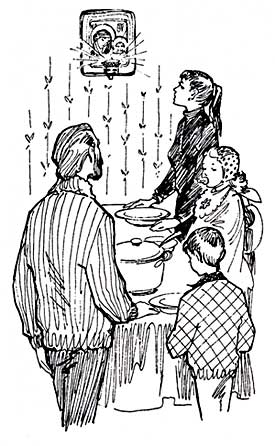
After the fall, Adam not only had to work—he had to
work hard. That is how it was in his life, and that is how
it is in ours. Every man has to think about how he will
feed himself and his family. He must at times do work that
is both hard and dreary.
Archimandrite Sergei (Shevich) often found that his parishioners were sometimes weighed down by the work that they had to do every day. Fr. Sergei pointed out to them that work for a married person is the same as an obedience for a monk. As we know, monks do not choose their obedience according to their own taste. The monastic does whatever he has been given the blessing to do. Be it unattractive and boring, obedience nevertheless accustoms a monk to cutting off his own will, and, accordingly, to do the will of God. For Adam and his descendants, God’s will is to live after the fall under non-paradisal conditions, not to complain about this, and to repent. They should also hope in God, Who leads people to His Kingdom.
For a woman, a time of particular trial is pregnancy. She has to think more about her child than about herself, to pay special attention to her own health, keep to a regime, and, perhaps leave a lucrative job for the sake of her child—to give up her planned career growth. This is her ascesis of self-restraint. This is not to mention the pain of childbirth, and the uninterrupted care and fuss over the newborn.
The infant’s parents have to deny themselves basic rest, and are sleep deprived. They worry about their little one, and pray during anxious times for their child’s well-being: “Lord, You know all things, and Your love is perfect. Take the soul of (name), and do what I wish to do, but cannot.”
And if the child was born handicapped… What faith in God’s Providence is needed in order to bear that heavy cross!
Almost immediately after the birth of a child a great labor begins—raising the child. Even if we take the non-religious side of the matter, we know that we cannot get by without God’s help. Fr. Gleb Kaleda was right when he insisted that the foundation of upbringing and education is placed in the family, while school and college serve only to supplement what has been done in the family. The supplement is important, but it only enhances the main thing.
Often we see that in school children are required to memorize information, but taught very little about how to think for themselves. Even less are they taught morals. What should be done in this case? The family can make up for the inadequacies of an impersonal and commercial education and upbringing—that is if the parents seriously take care of their child, and not only of his physical needs, but also his emotional needs. All this takes many patient years.
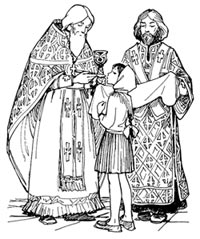
Parents are also called to care for the spiritual needs of their child. It would be good to teach the small child to pray (in the majority of schools and universities, he will not be taught to pray to God). But to do this the parents themselves need to know how to pray attentively, to understand the language of prayer, and to accessibly explain the essence of the church services to their child. As the child grows to school age, he should be prepared for his first confession. How can parents explain to him what sin is, and why he needs to tell the priest about his sins. Here one’s personal example is needed, the parents’ personal efforts on the spiritual path. If the mother takes the child to Communion but does not herself approach the chalice or go to confession, if the father goes only rarely to church, then it will be pretty hard to convince the child that all of us need the Church Sacraments.
Archimandrite Sergei (Shevich) often found that his parishioners were sometimes weighed down by the work that they had to do every day. Fr. Sergei pointed out to them that work for a married person is the same as an obedience for a monk. As we know, monks do not choose their obedience according to their own taste. The monastic does whatever he has been given the blessing to do. Be it unattractive and boring, obedience nevertheless accustoms a monk to cutting off his own will, and, accordingly, to do the will of God. For Adam and his descendants, God’s will is to live after the fall under non-paradisal conditions, not to complain about this, and to repent. They should also hope in God, Who leads people to His Kingdom.
For a woman, a time of particular trial is pregnancy. She has to think more about her child than about herself, to pay special attention to her own health, keep to a regime, and, perhaps leave a lucrative job for the sake of her child—to give up her planned career growth. This is her ascesis of self-restraint. This is not to mention the pain of childbirth, and the uninterrupted care and fuss over the newborn.
The infant’s parents have to deny themselves basic rest, and are sleep deprived. They worry about their little one, and pray during anxious times for their child’s well-being: “Lord, You know all things, and Your love is perfect. Take the soul of (name), and do what I wish to do, but cannot.”
And if the child was born handicapped… What faith in God’s Providence is needed in order to bear that heavy cross!
Almost immediately after the birth of a child a great labor begins—raising the child. Even if we take the non-religious side of the matter, we know that we cannot get by without God’s help. Fr. Gleb Kaleda was right when he insisted that the foundation of upbringing and education is placed in the family, while school and college serve only to supplement what has been done in the family. The supplement is important, but it only enhances the main thing.
Often we see that in school children are required to memorize information, but taught very little about how to think for themselves. Even less are they taught morals. What should be done in this case? The family can make up for the inadequacies of an impersonal and commercial education and upbringing—that is if the parents seriously take care of their child, and not only of his physical needs, but also his emotional needs. All this takes many patient years.
Parents are also called to care for the spiritual needs of their child. It would be good to teach the small child to pray (in the majority of schools and universities, he will not be taught to pray to God). But to do this the parents themselves need to know how to pray attentively, to understand the language of prayer, and to accessibly explain the essence of the church services to their child. As the child grows to school age, he should be prepared for his first confession. How can parents explain to him what sin is, and why he needs to tell the priest about his sins. Here one’s personal example is needed, the parents’ personal efforts on the spiritual path. If the mother takes the child to Communion but does not herself approach the chalice or go to confession, if the father goes only rarely to church, then it will be pretty hard to convince the child that all of us need the Church Sacraments.


Comments